A Deep Dive Into Regulation, Growth, and Market Reality
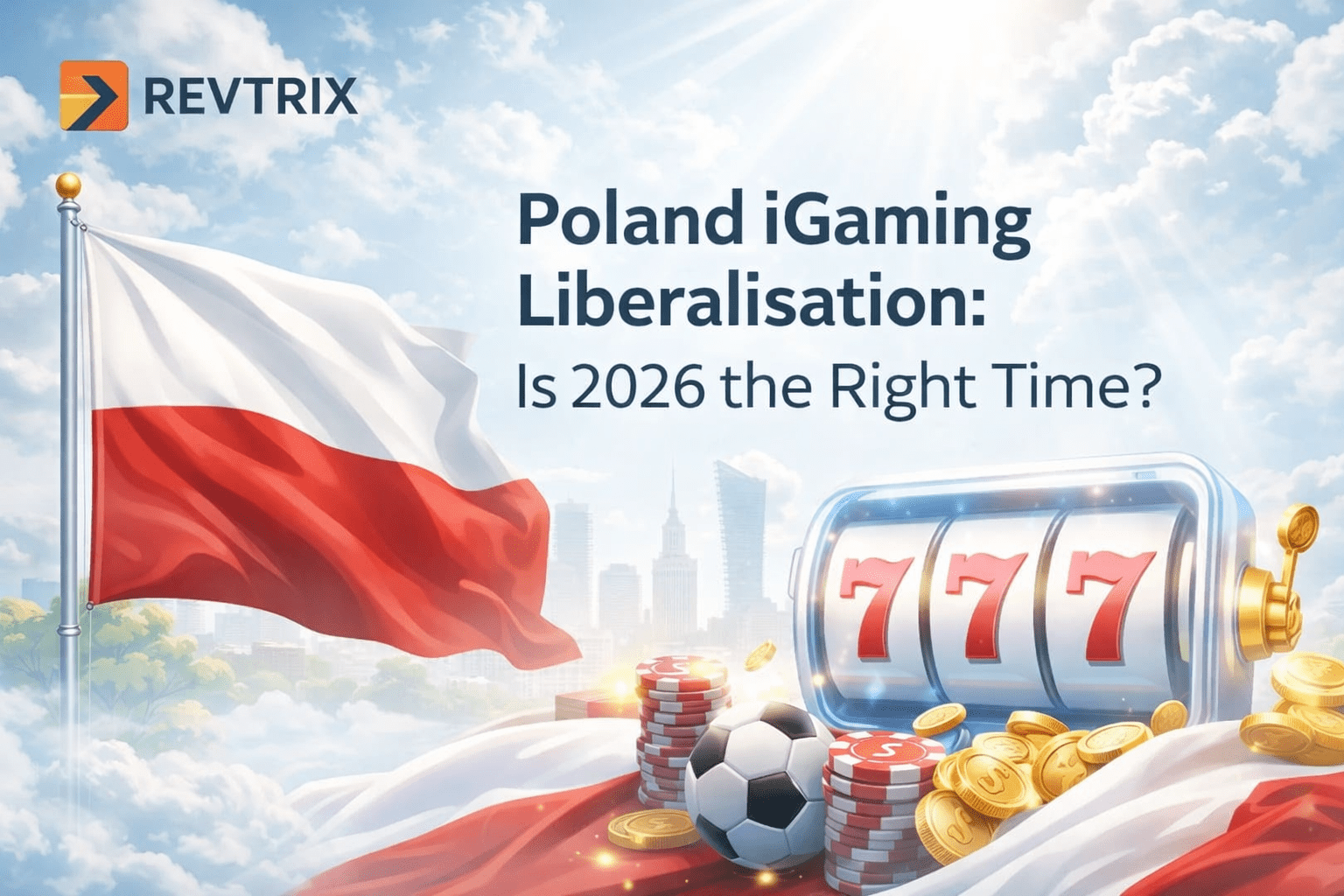
For anyone tracking the evolution of the Poland iGaming industry, one question dominates the debate: Should Poland open its tightly regulated online gambling market to liberalisation? This is more than just a regulatory discussion – it’s about revenue, player protection, market growth, compliance, and aligning with broader European trends.
In this article, we explore why Poland iGaming liberalisation is being debated, the current regulatory structure, challenges with the black market, and whether reform can realistically happen this year and beyond.
🌍 The Current State of Poland iGaming Regulation
Poland’s online gambling framework is unique in the EU. While private operators can offer online sports betting under a licensing model, online casino, poker, and bingo remain under a strict state monopoly controlled by Totalizator Sportowy.
This regulatory environment has produced mixed outcomes. For example, although enforcement has increased – including a recent effort targeting influencers promoting offshore gambling content – loopholes persist. For a detailed breakdown of how Poland’s enforcement approaches are evolving and what that means for compliance and affiliate monetization, see our analysis: Poland’s Gambling Influencer Crackdown: What It Means for iGaming, Compliance, and Smarter Monetization in 2026.
📉 Monopoly vs Reality: Why Reform Is On the Table
Some policymakers and industry lobbyists argue that the monopoly approach has failed to fully control the market. Key points include:
⚠️ 1. Large Illegal and Grey Market Share
Despite domain blocking and enforcement efforts, illegal iGaming operators still attract a meaningful segment of online casino players in Poland. This demonstrates a significant diversion from the intended channelisation goals of the regulated market.
Industry insights show that while sports betting sees moderate compliance due to licensing, unregulated online casino play flourishes offshore.
📊 2. Weak Channelisation Efforts
Channelisation — the process of encouraging players to use legal services – is critical to regulated markets. In Poland iGaming, sports betting has relatively strong channelisation, but online casino participation remains largely outside the legal framework due to restrictions.
This inconsistency fuels arguments for reform, with advocates saying more competitive licensing could increase channelisation overall.
💸 3. Tax and Structural Challenges
Poland’s tax and fee structure – including turnover-based taxes applied to sports betting – has made legal products less competitive versus offshore alternatives. Critics assert that alternative tax regimes, like Gross Gaming Revenue (GGR) taxation, could make legal operators more appealing and reduce the share of unlicensed traffic.
🧠 Liberalisation Debate: Experts Weigh In
✅ Proponents Say:
✔ Liberalisation would align Poland iGaming with EU peers that operate multi-licensing frameworks.
✔ Opening the market could attract investment, innovation, and consumer choice.
✔ Competitive licensed environments have helped curb offshore participation in other regulated markets.
❌ Opponents Say:
✖ Policymakers remain cautious due to social concerns and political sensitivities around gambling.
✖ Some European markets are tightening regulation and advertising oversight rather than relaxing rules – which complicates the regulatory narrative.
✖ Reform could weaken consumer protections if implemented without strong oversight.
This divide highlights the complexity of deciding whether Poland iGaming genuinely benefits from liberalisation.
📈 Enforcement Is Tightening, But Problems Stay
Poland’s recent actions against unlicensed operators and affiliate promotion – including influencer crackdowns – show that authorities are taking compliance seriously. However, enforcement alone may be insufficient if the underlying market incentives continue to favour offshore platforms.
This dynamic ties directly to broader discussions about liberalisation strategy and market sustainability.
📊 What Liberalisation Could Look Like
A liberalised Poland iGaming market would likely involve:
🔹 Multi-licensing in online casino, poker, and other digital verticals
🔹 Revised tax frameworks to enhance competitiveness
🔹 Clear compliance requirements for operators and affiliates
🔹 Stronger enforcement mechanisms against unlicensed platforms
Such a model could resemble regulatory frameworks in other European markets where licensing competition fosters transparency and compliance.
🤔 Is It the Right Time for Poland iGaming Liberalisation?
The answer isn’t black and white.
🚀 Yes, Because:
- Offshore participation remains significant despite enforcement.
- Other European markets successfully operate under regulated, competitive frameworks.
- Liberalisation could grow legal tax revenues and corporate investment.
🛑 Not Yet, Because:
- Political resistance to gambling reform remains meaningful.
- Broader European regulatory trends are focused on protective measures, not market expansion.
- Liberalisation requires careful balance between growth and responsible play.
🧩 Final Thoughts
Poland iGaming stands at a crossroads. The current regulated monopoly has maintained strict oversight, but its limitations – particularly in online casino and poker – are increasingly visible. With persistent offshore participation and evolving enforcement like the influencer crackdown, the case for reform grows stronger.
Whether 2026 is the ideal year for liberalisation may depend on political will, regulatory strategy, and economic priorities. However, the debate itself shows that the status quo is not without challenges – and reform discussions are necessary for a sustainable future.
Frequently Asked Questions (FAQ’s):
What is the current status of Poland iGaming regulation?
Poland iGaming operates under a mixed regulatory model. Online sports betting is licensed for private operators, while online casino, poker, and bingo are controlled by a state monopoly. This structure limits competition and has led to ongoing debates about potential liberalisation.
Is Poland iGaming likely to liberalise in 2026?
Poland iGaming liberalisation is being actively discussed, but no confirmed legislative reform has been announced. Political caution, enforcement priorities, and EU regulatory trends will likely influence whether changes occur in 2026 or later.
Why is Poland iGaming liberalisation being debated?
Poland iGaming reform is debated because a significant portion of online casino activity still occurs on offshore platforms. Critics argue that opening the market to licensed private operators could improve channelisation, increase tax revenue, and strengthen compliance oversight.
How does the Poland iGaming monopoly affect operators?
Under the current Poland iGaming model, private operators cannot legally offer online casino games. This limits market competition and reduces opportunities for licensed international operators to enter the Polish market.
Boost Your iGaming Revenue
RevTrix is a smart AI-powered platform for iGaming affiliates, helping you monetize traffic with smartlinks, geo-targeted offers, and real-time optimization.